Last updated: April 2026 · Reading time: 6 minutes
Your yoga mat is the only piece of equipment you'll touch every single session. A bad mat slips, smells chemical, or tears through in six months. A good one lasts years and genuinely makes practice better. But you don't need to spend $200 — most of the premium-priced mats are marketing, not materials.
Here's what actually matters when choosing a yoga mat in Australia, and how to match the mat to your practice.
The three things that actually matter
1. Grip (when wet). If your mat slips when your hands sweat, everything else is irrelevant. You'll injure yourself in downward dog. Open-cell natural rubber and high-quality PU (polyurethane) tops grip best. Cheap PVC mats fail here.
2. Thickness. Not more = better. Very thick mats (8mm+) are unstable in standing poses. Very thin (2mm) mats hurt your knees in kneeling poses. The sweet spot for most people is 5–6mm.
3. Durability. A $30 mat that lasts 6 months costs the same as a $90 mat that lasts 3 years. Look at stitching on the edges, material density, and warranty.
Thickness guide: which one for you?
3mm (travel mat): Only if you actually travel with it weekly. Otherwise too thin for daily practice.
5mm (classic / hot yoga): Best all-rounder. Stable for standing poses, cushioned enough for kneeling. What most studios use.
6mm (general fitness / Pilates): Slightly more cushion. Great if you also use it for floor exercises, abs work, or stretching.
8–10mm (therapeutic / restorative): Only if you have knee or wrist issues and mainly do yin, restorative, or floor-based work.
Materials: the honest breakdown
PVC: Cheap, grippy when new, but breaks down fast and is not eco-friendly. Avoid unless budget forces you.
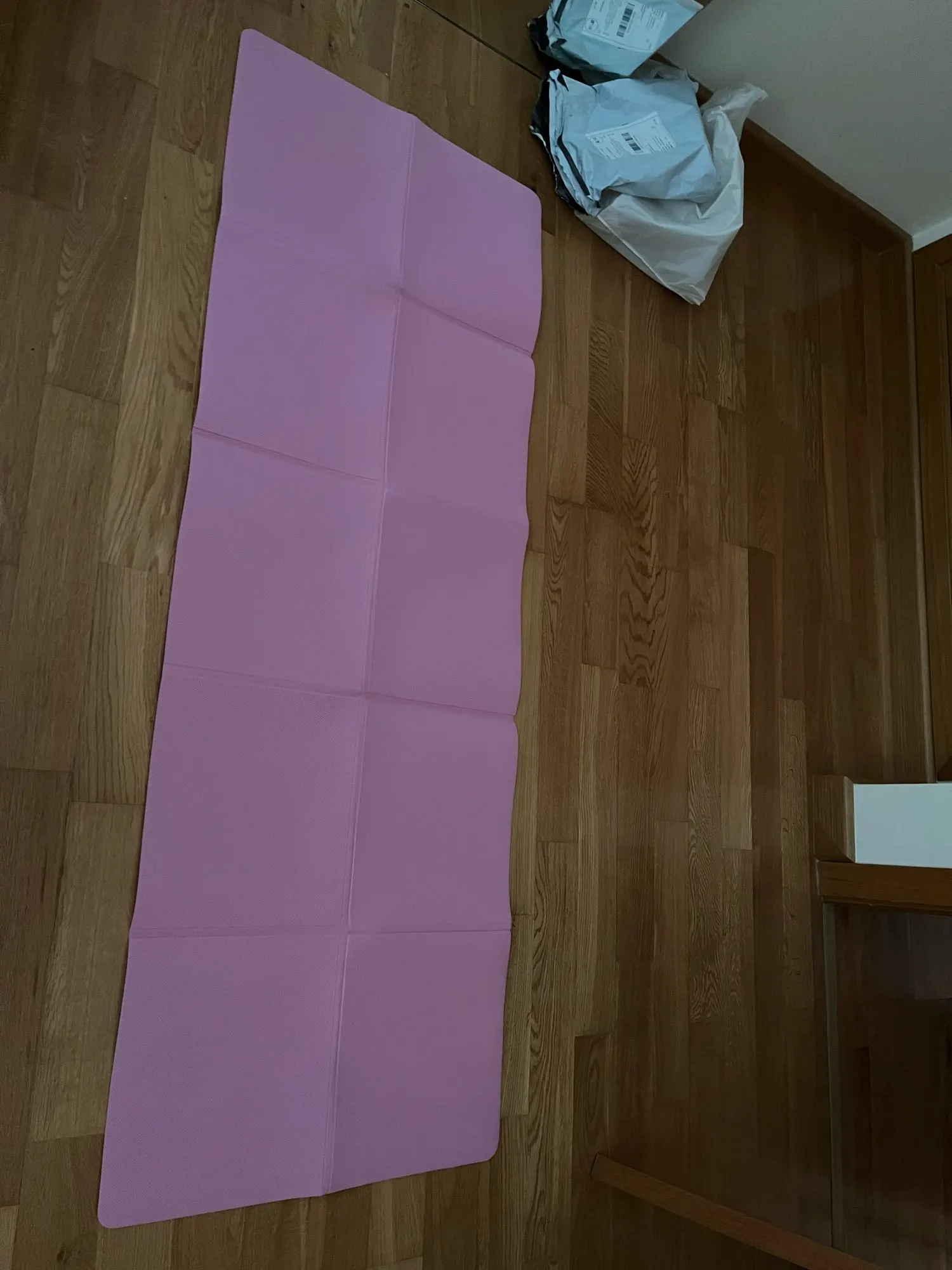
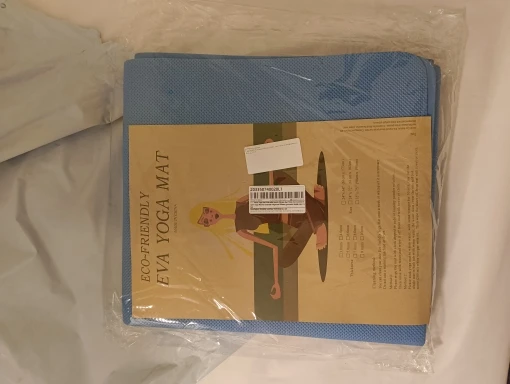
TPE (thermoplastic elastomer): The sweet spot. Light, grippy, free of PVC and latex, recyclable. What we recommend for 90% of buyers.
Natural rubber: Best grip, best eco credentials, but heavy, expensive, and smells strong for the first month.
Cork/jute: Looks beautiful, grip gets better the more you sweat. Niche option.
Size
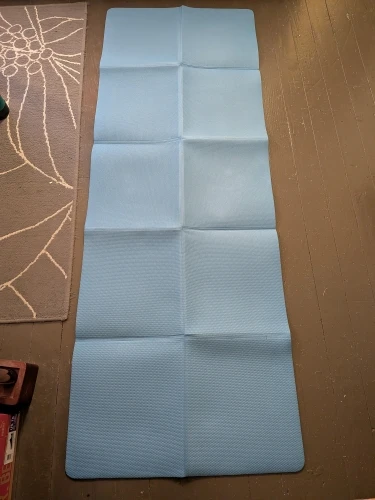
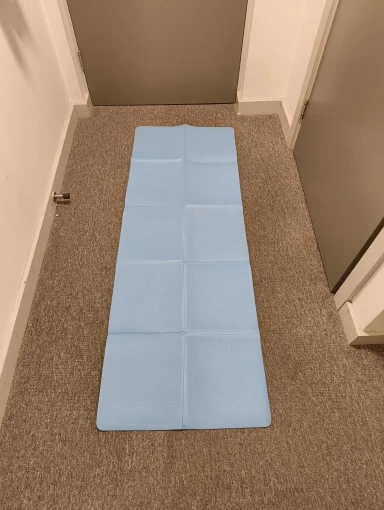
Standard is 173cm × 61cm. If you're over 180cm tall, look for a 180cm or 183cm long mat. You want your whole body on the mat when lying flat.
Care and longevity
Wipe your mat down with a damp cloth after every session (no harsh cleaners — they destroy the grip). Air dry flat. Roll it loosely, not tightly. Don't leave it in a hot car — heat destroys the material faster than anything.
FAQ
How often should I replace my yoga mat? When the surface starts flaking, losing grip, or the mat gets permanent creases. A good TPE mat lasts 2–3 years of daily use.
Are expensive mats worth it? The jump from $30 to $80 is huge. The jump from $80 to $200 is mostly branding.
Do I need a yoga towel? Only for hot yoga or if you sweat heavily. For normal practice, a good mat is enough.
Ready to find your mat?
Browse our Yoga collection or pick up our 6mm Premium TPE Yoga Mat — the one we recommend for most people. Free shipping over $99.